Tata boardroom feud reaches Bombay High Court
Trusts with 66% of Tata Sons file suits, seek to bar casting vote at November 30 meeting
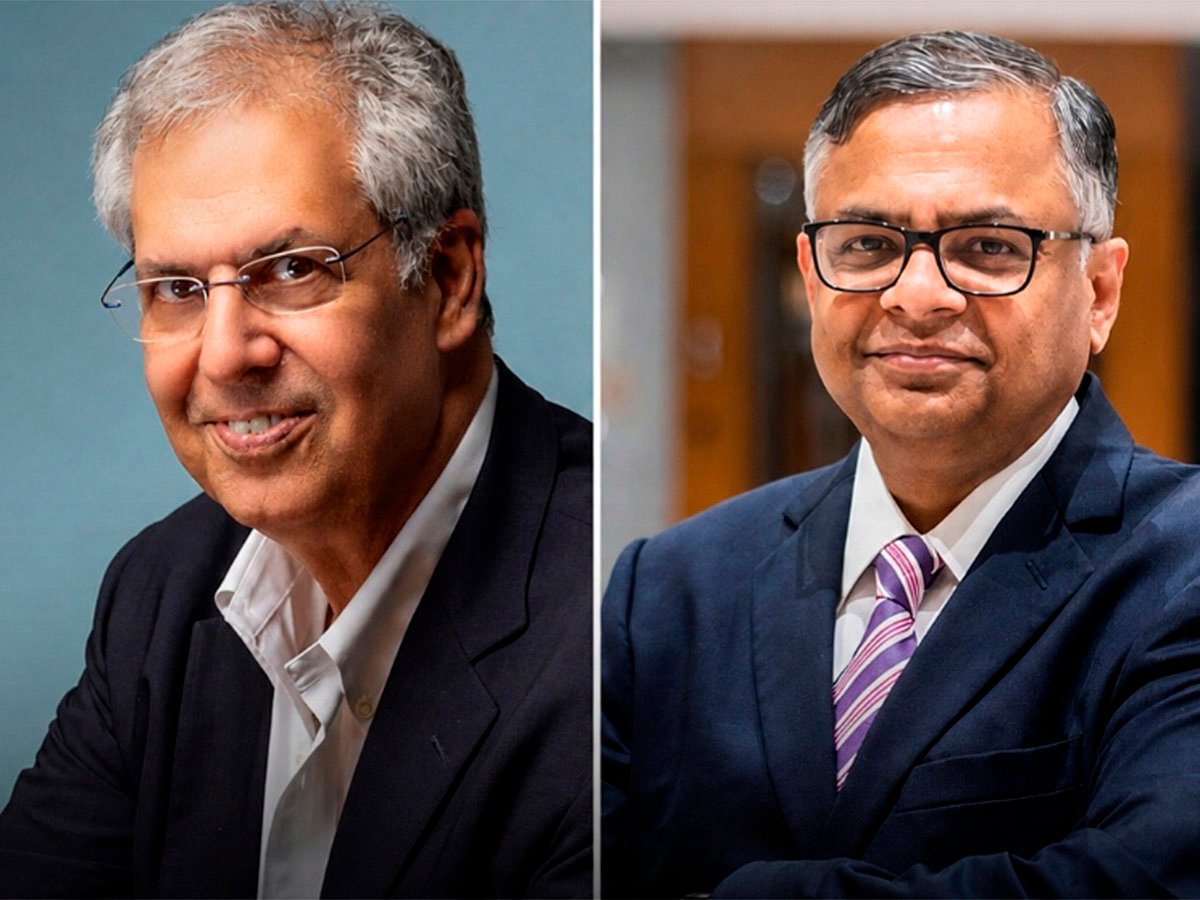
Dubai: Tata Trusts, chaired by Noel Tata, moved the Bombay High Court on November 26, challenging the reappointment of N Chandrasekaran as Tata Sons executive chairman. The Sir Dorabji Tata Trust (SDTT) and R.D. Tata Trust (RDTT) filed them against Tata Sons and six directors.
The board reappointed Chandrasekaran on September 17 for a third five-year term. The suits call that resolution invalid. It did not carry the affirmative vote that Article 121 of the company's Articles of Association requires.
The filings follow months of differences between Noel Tata and other members of the Tata Sons board over the reappointment. The Trusts hold about 66 per cent of Tata Sons. The holding company anchors a conglomerate reported at more than $180 billion.
The dissenting vote
The dispute centres on special rights given to directors the Trusts nominate. Two sit on the board, Noel Tata and Venu Srinivasan. Tata voted against Chandrasekaran's reappointment. Srinivasan backed it. That left the Trusts' two nominees divided. The Trusts say both had to support the decision.
A September statement outlines the Trusts' reading of the Articles. No board decision can pass without affirmative support from at least a majority of Trusts-nominated directors. That is a separate condition, they note, and the Articles do not leave decisions to a simple head count. The Trusts have called the reappointment illegal, citing the Articles and Noel Tata's dissenting vote.
SDTT wants Rs50 crore in damages. RDTT claims Rs15 crore. Both add 18 per cent annual interest to the demand. Together, the claims total Rs65 crore before interest.
Focus on Nov 30 board meet
The suits also press for urgent relief. They want the court to bar the Tata Sons chairman from using his casting vote at the November 30 board meeting. A casting vote lets the chairman break a tie. The restraint would apply if nominee directors split. A single bench is likely to hear the matter on Friday, November 27.
The two Trusts voted on Wednesday night to authorise the legal action. They cite a lack of satisfactory replies to the communications they have sent since September 17.
On September 20, the Trusts declared the resolution not validly passed and without legal effect. They also invoked the Cyrus Mistry litigation, which arose from the removal of the former chairman. Tata Sons cannot now disown the affirmative voting rights of nominee directors, the Trusts argue. The company defended those rights before the Supreme Court in that case.
The reappointment reversed an earlier course. Chandrasekaran offered on August 12 not to seek another term, and the board accepted. A search for a successor began, with his exit due in February 2027. Noel Tata opposed the extension and called it premature. He argued that it contradicted Chandrasekaran's own decision and the Trusts' acceptance of it.
On October 26, Noel Tata formally challenged the resolution. He cited procedural lapses and noted that the item was missing from the meeting agenda. He also demanded records of the meeting. The court filings now carry that dispute out of the boardroom.
Chandrasekaran took charge in 2017. The ruling will determine whether he stays beyond February 2027, the date he had earlier set for his exit.
Network Links
GN StoreDownload our app
© Al Nisr Publishing LLC 2026. All rights reserved.